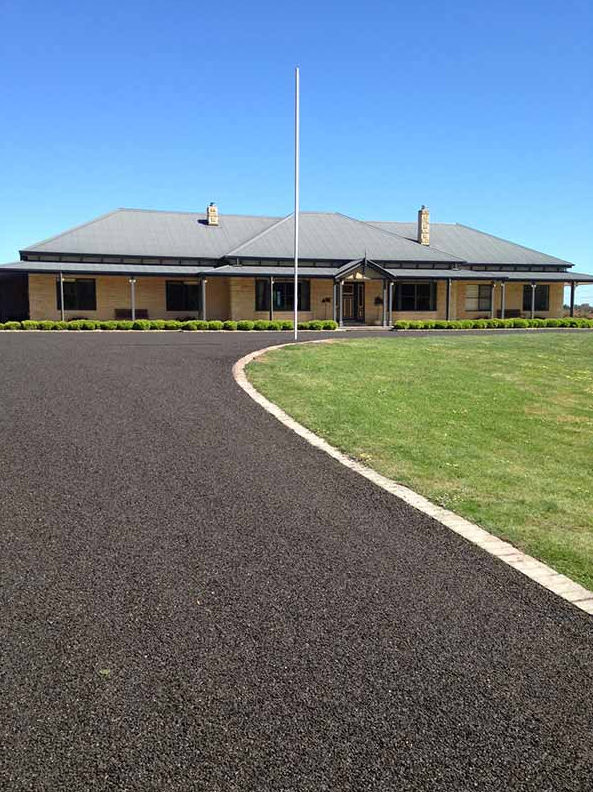
A newly installed asphalt surface should provide a durable, consistent and reliable area for vehicle movements. Whether it is a residential driveway, commercial car park, access road or hardstand, the expectation is that the pavement will perform effectively under normal use for many years.
However, some asphalt surfaces begin developing cracks, depressions, potholes or other defects much sooner than anticipated. Although the visible damage appears in the asphalt wearing layer, the underlying cause is not always related to the asphalt itself. In many cases, premature deterioration can be traced to ground preparation, pavement design, drainage, compaction or the conditions under which the surface was installed.
For property owners and businesses in Singleton, NSW, understanding why new asphalt sometimes fails early is important when planning a surfacing project or investigating problems with an existing pavement. Identifying the actual cause of deterioration helps ensure that repairs address the problem rather than simply covering the visible damage.
What Is Considered Premature Asphalt Failure?
Premature asphalt failure occurs when a pavement develops significant deterioration earlier than would reasonably be expected for its design, construction and operating conditions.
The expected serviceable life of an asphalt surface depends on several factors, including traffic loading, pavement thickness, supporting ground conditions, drainage and ongoing maintenance.
Some gradual wear is normal. However, substantial cracking, rutting, settlement or pothole formation shortly after installation may indicate that the pavement is not performing as intended.
The most important consideration is determining whether the deterioration is limited to the wearing surface or extends into the supporting pavement.
1. Inadequate Ground Preparation Before Installation
One of the most common reasons new asphalt deteriorates prematurely is insufficient preparation of the ground underneath.
Asphalt relies on a stable foundation to support vehicle loads. If the existing ground contains soft, unsuitable or poorly compacted material, movement can occur beneath the finished surface.
Over time, this movement may cause the asphalt to crack, settle or deform.
Why Ground Preparation Matters
Before asphalt is installed, the existing ground should be assessed to determine whether it can adequately support the intended pavement.
Preparation may involve removing unsuitable material, correcting soft areas and establishing a stable foundation.
Simply laying asphalt over uneven or unstable ground does not eliminate existing weaknesses.
Even a well-constructed asphalt wearing layer may deteriorate if the supporting ground cannot withstand regular vehicle loading.
Professional ground preparation helps reduce the risk of settlement and structural movement after installation.
2. A Weak or Poorly Constructed Road Base
The road base is one of the most important components of an asphalt pavement.
It sits beneath the asphalt wearing layer and helps distribute vehicle loads across the supporting ground.
If the road base is too thin, contains unsuitable material or has not been compacted correctly, it may begin deforming under traffic.
This movement can eventually affect the asphalt above.
Signs of Road Base Problems
Possible warning signs include:
- Cracks developing along wheel paths
- Localised settlement
- Depressions beneath regularly parked vehicles
- Repeated potholes
- Widespread surface movement
- Rutting that continues to deepen
These symptoms do not automatically confirm a road base problem, but they indicate that the supporting pavement should be investigated.
Where the base has become unstable, resurfacing alone may not provide a lasting solution.
The weakened materials may need to be removed, replaced or reconstructed before the asphalt is reinstated.
3. Insufficient Compaction During Construction
Compaction is essential throughout asphalt pavement construction.
Both the supporting road base and the asphalt wearing layer must be compacted appropriately to achieve the required density and stability.
If the materials are not adequately compacted, excessive air voids or movement within the pavement can contribute to premature deterioration.
How Poor Compaction Affects Asphalt
Inadequate compaction may lead to:
- Early surface settlement
- Wheel rutting
- Increased moisture penetration
- Cracking under repeated loading
- Reduced stability within the pavement
- Premature breakdown of the wearing layer
Compaction requirements depend on the material being used, layer thickness and construction conditions.
For asphalt, temperature and the timing of rolling are particularly important.
Professional installation ensures that suitable compaction equipment and methods are used throughout the construction process.
4. Poor Drainage Allowing Water Beneath the Asphalt
Water is a major contributor to pavement deterioration when it enters vulnerable supporting layers.
Although asphalt provides a relatively water-resistant wearing surface, moisture can still penetrate through cracks, damaged edges and other openings.
If water reaches the road base or supporting ground, it may reduce the strength of those materials.
Continued vehicle loading can then cause movement, cracking and pothole formation.
Why Drainage Must Be Planned Before Surfacing
A new asphalt pavement should have suitable surface falls to encourage water to drain away from trafficable areas.
The surrounding ground and existing drainage arrangements should also be considered.
Potential drainage problems include:
- Water collecting in low sections
- Runoff flowing towards pavement edges
- Inadequate surface falls
- Water entering from surrounding ground
- Drainage paths becoming obstructed
- Moisture remaining trapped beneath the pavement
Correcting drainage problems before asphalt installation helps protect the supporting structure.
Where drainage is overlooked, deterioration may begin even when the asphalt initially appears smooth and well finished.
5. Asphalt Thickness That Does Not Suit the Traffic
Different asphalt applications require different pavement designs.
A residential driveway carrying passenger vehicles will generally experience different loading conditions from a commercial access road used by heavy vehicles.
If the asphalt layer or supporting pavement is not designed for the expected traffic, premature deterioration may develop.
Why Traffic Loading Matters
Vehicle weight, frequency of use and movement patterns all influence pavement performance.
Heavy vehicles can place substantial loads on the pavement, particularly where they regularly stop, turn or remain stationary.
If the pavement structure is inadequate, the surface may begin developing:
- Wheel ruts
- Cracking
- Depressions
- Localised deformation
- Repeated surface failures
Increasing asphalt thickness alone is not always sufficient to correct these problems.
The complete pavement structure, including the road base and supporting ground, must be suitable for the expected loading.
Professional pavement design helps ensure the finished surface is appropriate for its intended use.
6. Incorrect Asphalt Temperature During Installation
Asphalt must be placed and compacted under suitable conditions.
Hot-mix asphalt requires appropriate temperature management during transport, placement and compaction.
If the material cools excessively before it has been properly compacted, achieving the required density may become difficult.
This can affect the performance of the finished wearing layer.
Why Installation Timing Is Important
Asphalt installation requires coordination between material delivery, placement and rolling.
Delays can reduce the available time for effective compaction.
The required working conditions depend on the asphalt mixture, layer thickness, weather and construction methods.
Experienced contractors plan the installation process to ensure the material can be placed and compacted appropriately.
Correct temperature management helps produce a consistent surface with suitable density and durability.
7. Unsuitable Asphalt Materials or Mix Selection
Not every asphalt mixture is designed for the same application.
Different mixes may be selected according to traffic loading, pavement requirements and the intended use of the surface.
Using a mixture that is unsuitable for the operating conditions can contribute to premature wear or deformation.
Why Material Selection Matters
The performance of asphalt depends on the relationship between its aggregate, bituminous binder and overall mixture design.
A suitable mixture should provide the characteristics required for the pavement’s intended use.
For example, a heavily trafficked turning area may experience different stresses from a lightly used residential driveway.
Professional material selection considers these demands before installation.
The correct asphalt mixture, combined with suitable pavement construction, helps support long-term performance.
8. Heavy Vehicle Movements Before the Pavement Is Ready
New asphalt needs to be protected from unsuitable loading during and immediately after installation.
Although hot-mix asphalt generally becomes trafficable as it cools sufficiently, the appropriate reopening time depends on the mixture, pavement construction, weather conditions and expected vehicle loads.
Heavy or concentrated loading while the asphalt remains excessively warm can contribute to surface deformation.
Why Early Traffic Management Matters
Newly laid asphalt may be vulnerable to damage from:
- Heavy stationary vehicles
- Repeated tight turning movements
- Concentrated wheel loads
- Machinery operating on insufficiently cooled asphalt
The contractor should determine when the surface is suitable for the intended traffic.
Following appropriate access instructions helps protect the pavement during its initial period of use.
However, premature failure should not automatically be attributed to early traffic. The pavement design and construction must also be assessed.
9. Poorly Supported Asphalt Edges
The edges of a new asphalt surface can become vulnerable when surrounding ground does not provide adequate support.
This is particularly relevant for driveways and access roads where vehicles regularly travel close to the pavement boundary.
Without suitable support, the edges may begin cracking or breaking away under traffic.
How Edge Failure Develops
As the edge loses material, the remaining asphalt may become increasingly unsupported.
Continued vehicle movements can cause further cracking and deterioration.
Water may also enter exposed pavement layers, contributing to additional weakness.
Professional construction should consider edge stability and the condition of surrounding materials.
Where appropriate, supporting shoulders or other suitable edge treatments can help maintain the integrity of the pavement.
10. Existing Pavement Problems Were Not Corrected Before Resurfacing
Asphalt resurfacing can be an effective way to renew an existing pavement when the supporting structure remains sound.
However, placing a new asphalt layer over an unstable or badly deteriorated surface can allow existing problems to continue.
Cracks, settlement and movement within the old pavement may eventually affect the new wearing layer.
Why Resurfacing Requires Proper Assessment
Before resurfacing, the existing pavement should be inspected for:
- Structural cracking
- Unstable sections
- Deep wheel ruts
- Settlement
- Potholes
- Drainage problems
- Deteriorated edges
Where necessary, localised repairs or deeper pavement rehabilitation should be completed before the new asphalt is installed.
Resurfacing can restore the wearing surface, but it cannot reliably correct major structural weaknesses beneath it.
11. Repeated Turning and Braking in Concentrated Areas
Some parts of an asphalt pavement experience greater stress than others.
Vehicle entrances, loading areas, parking spaces and turning points may be subjected to repeated braking, steering and stationary loads.
These movements can create concentrated stresses within the wearing layer and supporting pavement.
Why Certain Areas Fail First
If the pavement is not designed for these conditions, deterioration may develop in specific locations while surrounding sections remain in good condition.
Common signs include:
- Surface deformation near turning points
- Cracking around loading areas
- Depressions beneath stationary vehicles
- Rutting along frequently used wheel paths
- Localised aggregate loss
These patterns can provide useful information about the cause of deterioration.
Professional assessment helps determine whether the affected area requires a different pavement structure or more substantial strengthening.
12. Small Defects Were Not Addressed Early
Not every case of premature asphalt deterioration is caused by an installation problem.
Some surfaces develop minor defects that worsen because they are not addressed promptly.
A small crack can allow water to enter the pavement, while a minor pothole may expand under repeated vehicle movements.
Over time, localised damage can affect a much larger section.
Why Preventative Maintenance Still Matters
Even newly installed asphalt benefits from periodic inspections.
Early maintenance can help identify:
- Developing cracks
- Drainage problems
- Loose aggregate
- Surface depressions
- Edge damage
- Localised wear
Suitable repairs can help prevent minor deterioration from spreading.
However, if defects appear unusually soon after installation or repeatedly return, the pavement should be assessed for underlying construction or structural problems.
How Can You Tell Whether New Asphalt Is Failing Prematurely?
Some changes in asphalt appearance are normal as the surface ages.
However, certain defects warrant closer attention, particularly when they develop soon after installation.
Warning signs include:
- Widespread cracking
- Deep or rapidly developing wheel ruts
- Significant surface settlement
- Potholes forming in recently installed asphalt
- Loose aggregate across large areas
- Crumbling pavement edges
- Water pooling in newly formed depressions
- Repeated deformation under normal traffic
The severity, location and progression of these defects can help identify their likely causes.
A professional inspection is important because similar surface symptoms can result from different underlying problems.
Can Prematurely Damaged Asphalt Be Repaired?
In many cases, prematurely deteriorating asphalt can be repaired.
However, the appropriate treatment depends on the extent of the damage and the condition of the supporting pavement.
Localised Asphalt Repairs
Where damage is confined to a small section and the surrounding pavement remains stable, localised repairs may be suitable.
These can involve removing deteriorated asphalt and reinstating the affected area.
Structural Pavement Repairs
If the road base or supporting ground has become unstable, the damaged materials may need to be removed and reconstructed.
The asphalt can then be reinstated over a properly prepared foundation.
Asphalt Resurfacing
Where deterioration is mainly confined to the wearing layer and the supporting pavement remains sound, resurfacing may provide a suitable solution.
However, structural defects must be corrected before a new layer is installed.
Pavement Reconstruction
Where extensive settlement, widespread structural cracking or significant base failure has occurred, more substantial reconstruction may be necessary.
The correct repair method should address the cause of the failure rather than simply restoring the surface appearance.
How Can Professional Installation Help Prevent Early Asphalt Failure?
Preventing premature asphalt deterioration begins before the wearing layer is installed.
A professional asphalt contractor should assess the site and determine the pavement requirements based on the intended traffic and existing ground conditions.
Important considerations include:
- Assessing the supporting ground
- Removing unsuitable materials
- Constructing an appropriate road base
- Establishing effective drainage
- Selecting suitable asphalt materials
- Determining appropriate pavement thickness
- Compacting each layer correctly
- Managing asphalt placement temperatures
- Providing adequate edge support
- Confirming when the surface is suitable for traffic
Each stage contributes to the stability and performance of the completed pavement.
A smooth finish is important, but the quality of the construction underneath is equally essential.
Why Is Professional Assessment Important When New Asphalt Develops Problems?
Premature asphalt failure can have several possible causes.
A crack may result from surface ageing, poor compaction, movement within the road base or settlement of the supporting ground.
Similarly, rutting may develop within the asphalt layer or originate from deformation deeper in the pavement.
Without identifying the cause, repairs may provide only temporary improvement.
An experienced contractor can assess the damage, examine the surrounding pavement and recommend an appropriate repair or rehabilitation method.
For property owners and businesses in Singleton, NSW, this approach helps ensure that the underlying problem is addressed rather than repeatedly treating the same visible defects.
Conclusion
New asphalt can fail earlier than expected for several reasons, including inadequate ground preparation, weak road base materials, insufficient compaction, poor drainage, unsuitable pavement design and incorrect installation methods. Excessive traffic loading and unresolved problems beneath an existing surface can also contribute to premature deterioration.
The most important factor is understanding that asphalt performance depends on the entire pavement structure. A properly selected asphalt mixture must be supported by stable ground, an appropriately constructed base and effective drainage.
Where new asphalt begins cracking, rutting or settling prematurely, professional assessment can help identify the cause and determine whether localised repairs, resurfacing or structural rehabilitation are necessary.
Singleton Road Tek provides professional asphalt surfacing, asphalt repairs and bitumen resurfacing services throughout Singleton, NSW. If your recently installed asphalt is showing unexpected signs of deterioration, or you are planning a new driveway, access road, car park or hardstand, contact our team to arrange an assessment and discuss a suitable solution for your property.
Call us on: 02 5301 9087
Click here to find out more about Singleton Road Tek
Click here to complete our contact form and see how we can help with your Asphalt and Bitumen Surfacing needs.