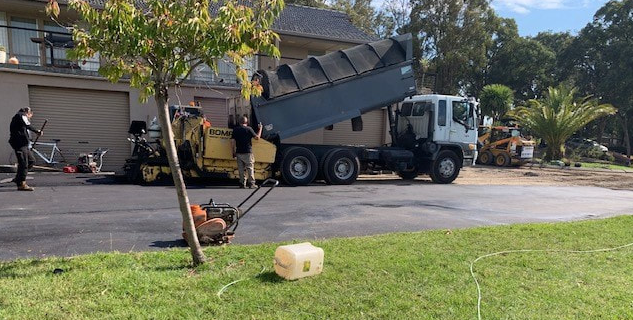
A bitumen surface relies on a strong bond between the bituminous binder and the aggregate spread across it. When that bond performs correctly, the aggregate forms a durable wearing surface capable of handling regular vehicle movements. If stones begin loosening excessively, however, the surface can become increasingly rough and may start losing the consistent protective layer it needs.
A small amount of loose aggregate can sometimes be associated with the early life of certain sprayed bitumen surfaces. Continuing or increasing stone loss is different. It can indicate that traffic, surface condition, drainage, preparation or the bond between the aggregate and binder requires closer attention.
For property owners and businesses in Singleton, NSW, understanding why aggregate is becoming loose can help determine whether the surface needs maintenance, localised repair or more extensive attention. Singleton Road Tek provides professional bitumen and asphalt surfacing based on the actual condition and use of the pavement.
How Does Aggregate Stay in Place on a Bitumen Surface?
On a sprayed bitumen surface, a layer of bituminous binder is applied before aggregate is distributed across it. The aggregate is then rolled so that the stones become appropriately embedded into the binder.
The finished surface depends on several elements working together:
- Suitable preparation underneath
- Correct application of bituminous binder
- Appropriate aggregate
- Consistent aggregate distribution
- Proper rolling and embedment
- Suitable surface conditions
- Appropriate traffic management during establishment
If one part of this process is unsuitable, the aggregate may not remain securely bonded across the entire pavement.
Is Some Loose Aggregate Normal?
The presence of several loose stones does not automatically indicate that a bitumen surface is failing.
With some sprayed bitumen applications, a small amount of excess aggregate can remain after construction. The more important question is whether aggregate loss continues and whether the underlying surface is becoming exposed.
Look at the Pattern Rather Than Individual Stones
A few scattered stones are very different from sections where aggregate is visibly stripping away.
Signs that deserve closer assessment include:
- Increasing quantities of loose stone
- Bare or exposed binder
- Aggregate loss concentrated in wheel paths
- Loose material collecting around edges
- Surface deterioration around turning areas
- Uneven texture across the pavement
- Areas where the surface is beginning to break apart
The location and extent of aggregate loss can provide clues about its cause.
Insufficient Bonding Can Allow Aggregate to Release
The aggregate needs to develop an effective bond with the bituminous binder.
If stones are not sufficiently embedded, vehicle tyres can gradually dislodge them from the surface.
The quality of this bond can be influenced by several factors, including the condition of the pavement during application and how effectively the aggregate was rolled into place.
This is why professional installation involves more than simply spraying binder and spreading stone. Each stage needs to work with the next.
Incorrect Aggregate Distribution Can Create Weak Areas
Aggregate should be distributed consistently across the bitumen.
If too much stone is concentrated in an area, some particles may sit above the aggregate that has properly contacted the binder. These excess stones can remain loose rather than becoming securely embedded.
If too little aggregate is applied, other sections may have insufficient surface coverage.
Consistent application is therefore important for creating a uniform wearing surface.
More Aggregate Does Not Automatically Create a Stronger Surface
It can seem logical that applying additional stone would improve durability, but excess aggregate does not necessarily increase pavement strength.
The binder can only retain aggregate that is appropriately embedded into it. Loose material sitting above the bonded layer can be displaced by vehicles.
Correct application is therefore more important than simply increasing the amount of aggregate.
Rolling Is an Important Part of Aggregate Retention
Once aggregate has been spread, rolling helps seat the particles into the bituminous binder.
Consistent rolling encourages appropriate contact between the materials and helps establish the finished surface.
If aggregate is not embedded effectively across the pavement, some areas can be more vulnerable to stone loss once traffic begins using them.
Professional surfacing therefore requires attention to the complete installation process rather than focusing only on the binder application.
Turning Vehicles Can Loosen Aggregate
Vehicle movement affects different parts of a pavement in different ways.
Straight-line traffic primarily applies downward loading. Turning vehicles also introduce sideways forces between the tyres and surface.
These forces can be particularly noticeable at:
- Entrances
- Tight corners
- Turning areas
- Manoeuvring spaces
- Frequently used intersections within a property
If aggregate is already poorly bonded or the surface is deteriorating, repeated turning movements can accelerate stone loss.
Why Do Turning Areas Sometimes Deteriorate First?
Tyres can scrub across the pavement as a vehicle changes direction, particularly during tight or slow-speed manoeuvres.
Repeated in the same location, this action can place additional stress on the surface treatment.
This does not mean every turning area will experience aggregate loss. It does mean these locations should be considered carefully when assessing why a particular section is deteriorating faster than the rest of the pavement.
Regular Wheel Paths Can Develop Different Wear Patterns
Traffic rarely uses every part of a road or driveway equally.
Vehicles repeatedly travel over similar wheel paths, meaning these sections experience considerably more tyre contact than surrounding areas.
If aggregate begins releasing primarily along these paths, traffic loading may be contributing to the deterioration.
The surface should also be checked for other signs such as rutting, depressions or movement, as these can indicate that the issue extends beyond the aggregate layer.
Surface Contamination Can Affect Bonding
The condition of the existing pavement before bitumen is applied is important.
Dust, loose material and other contamination can interfere with the bond between the new treatment and the surface underneath.
Good preparation aims to provide suitable conditions for the bitumen treatment to perform properly.
This is particularly important when an existing road or access area is being renewed rather than constructed from the ground up.
An Unstable Base Can Affect the Bitumen Surface Above
Not all aggregate loss begins with the surface treatment itself.
A bitumen surface relies on the pavement underneath for structural support. If the base moves, settles or deforms under traffic, the surface treatment can also be placed under stress.
Signs of underlying pavement movement can include:
- Wheel rutting
- Depressions
- Cracking
- Potholes
- Uneven levels
- Soft sections
- Repeated deterioration in the same area
Where these conditions occur alongside loose aggregate, the supporting pavement should be assessed rather than assuming the problem is confined to the upper surface.
Water Can Contribute to Surface Deterioration
Drainage is important for any pavement.
If water regularly collects in depressions or penetrates damaged sections, it can contribute to deterioration of the pavement structure.
Once supporting materials become unstable, traffic can create additional movement and surface damage.
Watch Where Aggregate Loss Occurs After Rain
If stone loss is concentrated around areas that regularly hold water, the drainage conditions deserve attention.
Look for:
- Standing water
- Low sections
- Potholes
- Soft pavement
- Eroding edges
- Water travelling along wheel paths
Correcting the surface without considering persistent water problems may leave an important cause unresolved.
Age and General Surface Wear Can Also Play a Role
Bitumen surfaces change as they are exposed to traffic and environmental conditions.
Over time, an ageing surface can gradually lose some of its ability to retain aggregate effectively, particularly where wear is concentrated.
This can initially appear as small areas of stone loss before becoming more widespread.
The important consideration is whether the deterioration remains localised or is occurring across much of the pavement.
Loose Edges May Indicate a Support Problem
Pavement edges can be particularly vulnerable because they do not always have the same surrounding support as the centre of the road.
If adjoining material erodes or vehicles repeatedly travel close to the edge, sections of the pavement can begin deteriorating.
Aggregate loss around the perimeter may therefore be associated with broader edge failure rather than simply poor bonding.
Restoring support and addressing erosion can be important when repairing these sections.
Can Loose Aggregate Be Repaired?
The appropriate response depends on why the aggregate has become loose and how extensively the pavement has deteriorated.
A small localised problem requires a different approach from widespread aggregate loss across an ageing surface.
Assessment should determine:
- How much aggregate has been lost
- Whether the binder remains serviceable
- Whether the underlying pavement is stable
- Whether deterioration is concentrated in traffic areas
- Whether drainage is contributing
- Whether previous repairs are failing
- How much of the surrounding surface remains sound
This information helps determine whether localised maintenance or broader surface renewal is appropriate.
When Might the Bitumen Surface Need Renewing?
Where aggregate loss has become widespread and the existing surface has generally deteriorated, renewing the surface treatment may be worth considering.
However, the existing pavement needs to be assessed first.
Potholes, soft sections, rutting, settlement and drainage problems should not simply be covered. These defects may require preparation or repair before a new surface treatment is applied.
The objective should be to create a stable foundation for the renewed bitumen surface rather than merely conceal deterioration.
Why Professional Assessment Matters
Loose aggregate can have several different causes, and appearance alone does not always reveal which one is responsible.
A section affected by turning traffic may require a different approach from one where aggregate loss is associated with an unstable base or persistent drainage problem.
At Singleton Road Tek, we assess asphalt and bitumen surfaces in Singleton, NSW, with attention to aggregate retention, traffic patterns, pavement stability, surface levels and drainage.
Identifying the likely cause of deterioration helps determine the appropriate preparation and surfacing response.
Good Bitumen Surfacing Starts Below the Finished Layer
Although loose aggregate is visible at the surface, successful bitumen surfacing depends on the complete pavement.
The supporting base needs to be stable, the surface appropriately prepared and the bitumen and aggregate applied correctly.
Traffic demands and drainage should also be considered.
A professional approach therefore considers:
- Existing pavement condition
- Base stability
- Preparation
- Surface levels
- Drainage
- Binder application
- Aggregate distribution
- Rolling and embedment
- Expected vehicle movements
These elements work together to create a practical and durable pavement surface.
Conclusion
Aggregate can become loose on a bitumen surface for several reasons, including inadequate bonding, inconsistent aggregate application, insufficient embedment, concentrated turning movements, general wear or problems within the pavement underneath.
A small amount of loose stone does not necessarily mean the entire surface has failed. However, continuing aggregate loss, exposed areas, rutting, potholes, drainage problems or deterioration concentrated in regular traffic paths should be assessed.
The key is to determine whether the issue is limited to the surface treatment or whether instability underneath is contributing to the problem.
For property owners and businesses in Singleton, NSW, Singleton Road Tek provides professional asphalt and bitumen surfacing based on the actual condition of the pavement. If your bitumen surface is losing aggregate or becoming increasingly uneven, contact our team to arrange an assessment and determine the appropriate approach for restoring the surface.
Call us on: 02 5301 9087
Click here to find out more about Singleton Road Tek
Click here to complete our contact form and see how we can help with your Asphalt and Bitumen Surfacing needs.